Exeter Local History Society
Exeter Local History Society members are hooked on history. If you share our fascination, why not join us? We have between 6 and 12 lecture meetings a year (details below), plus we occasionally have long-distance outings, and we cover an incredibly diverse range of subjects from Roman remains to post-WW2 redevelopment.
Our regular monthly meetings at Leonardo Hotel Exeter are usually held on the second Thursday of a month. Full details of future walks and talks are given below.
The charge for each meeting is normally £5 (free to members). The annual membership fee is £15 (£20 for joint membership). If you sample a meeting and decide to join, the £5 cost will be deducted from your first annual fee. Walks and visits normally cost £5 p.p. for members and visitors alike.
We also produce six newsletters a year — how about we email you the most recent as a free taster? To request a copy just email us at:
And do check out this website and see for yourself the great selection of subjects with which we entertain our members. Just click on "Past Events" to explore our programme! Click on "How To Join Us" for an application form. Please fill out this form if you wish to stay updated on our events and receive newsletters.
We hope we will see you soon at one of our many events!
A History of Dartmoor in 10 Objects
with Andy Crabb on Thursday, 12 November 2026
at 7.00pm at Leonardo Hotel, Exeter
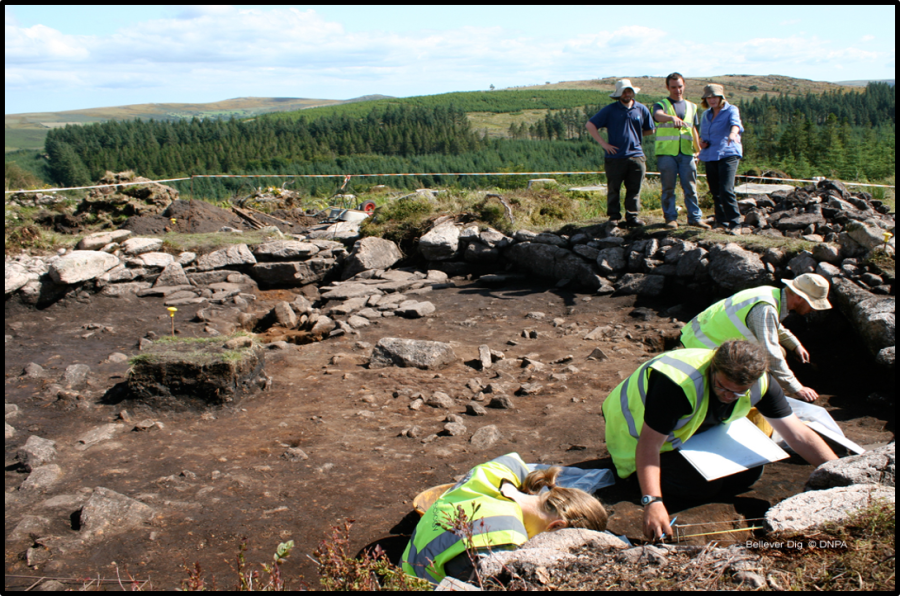
Andy Crabb has been working as an archaeologist on Dartmoor for over 20 years for both Dartmoor National Park Authority and Historic England.
For this talk, Andy has selected 10 objects that illustrate the long and fascinating story of Dartmoor. He will be discussing artefacts, fossils, tools and landscapes that tell the story of Dartmoor over the last 140,000 years.
Andy’s role covers all aspects of archaeological management, providing planning advice and even a bit of digging! With over 20,000 archaeological sites on Dartmoor, Andy and his team conserve, monitor and understand this hugely important landscape.
He will also be bringing a few artefacts for people to handle.
Tickets for this event can be secured by following the link below. The event registration is free for the members of the Society; there is a very small (£5) fee for non-members.
An update on the Royal Clarence renovation
with Todd Gray on Thursday, 10 December 2026
at 7pm at Leonardo Hotel Exeter [Jurys Inn Exeter Hotel]
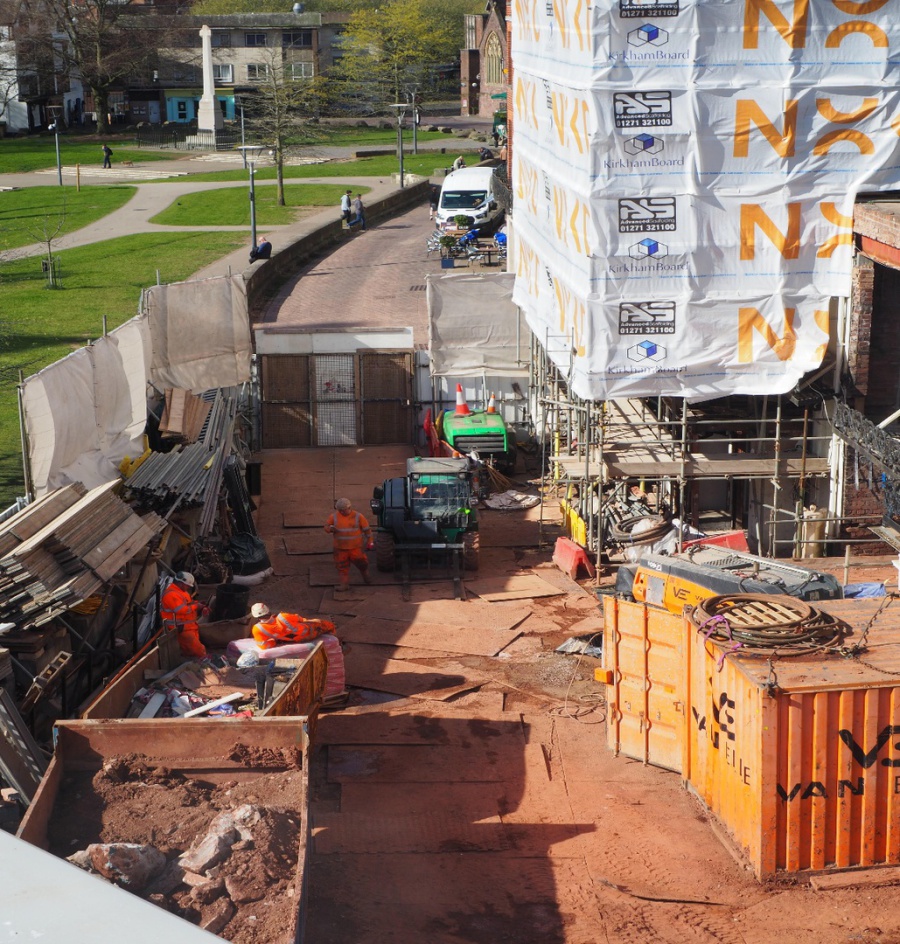
The tenth anniversary of the fire at the Royal Clarence Hotel is a time to reflect on the event, recap how much we have learned since then about this complex building, and learn about the current redevelopment.
By now, most society members will have seen the great crane towering over the Cathedral Green. The buildings will start to show marked signs of change. We are all looking forward to Christmas 2027!
Tickets for this event can be secured by following the link below. The event registration is free for the members of the Society; there is a very small (£5) fee for non-members.
“Oh No It Isn’t! — 300 years of pantomime not being as good as it used to be”
with Alan Caig on Thursday, 14 January 2027
at 7pm at Leonardo Hotel Exeter [Jurys Inn Exeter Hotel]
Alan Caig was Head of Leisure and Museums for Exeter City Council until 2011, but he began his career managing small theatres and other venues in Yorkshire. He is a lifelong performer in amateur theatre, including several pantomimes, and is the author of plays about First World War Topsham, the Exeter Ship Canal and the history of Exeter theatres (called Like a House on Fire), which were all performed in Topsham.
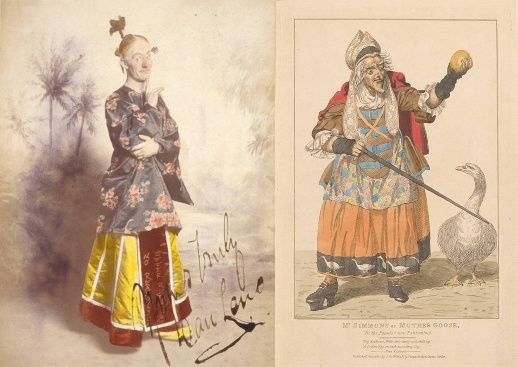
“Oh No It Isn’t!” is a light-hearted look at how pantomime developed from Italian street theatre to its position today as the financial bedrock of theatres all around the country — during which time critics and audiences have constantly bemoaned the fact that it wasn’t as good as when they were young — and yet, here it still is.
Tickets for this event can be secured by following the link below. The event registration is free for the members of the Society; there is a very small (£5) fee for non-members.
 Print
Print 